U.S. Officially Loses Measles Elimination Status
The United States has officially lost its measles elimination status. Health experts say ongoing outbreaks across the nation caused this major change. The update comes directly from researchers at the Johns Hopkins Bloomberg School of Public Health.
Why Did the US Lose Measles Elimination Status
The loss of this status means the virus has spread continuously in communities without stopping. For years, the country kept this sickness under control and stopped native spread. Recent outbreaks have lasted long enough to break that long record of safety.
Health officials track how long a sickness passes from person to person. When a disease spreads inside the country for over a year, elimination status ends. The return of continuous spread marks a serious turn for American public health.
What This Means for Families and Communities
Measles spreads very fast through the air when an infected person coughs or breathes. A community needs high protection levels to keep the virus from jumping between people. When those protection walls drop, vulnerable people face much higher risks of catching the bug.
- The virus spreads easily in crowded indoor spaces and classrooms.
- Young children and people with weak immune systems face the highest risk.
- Local health departments must spend more time and money tracking contacts.
- Outbreaks can lead to serious hospital visits and long-term illness.
How Public Health Officials Will Respond Next
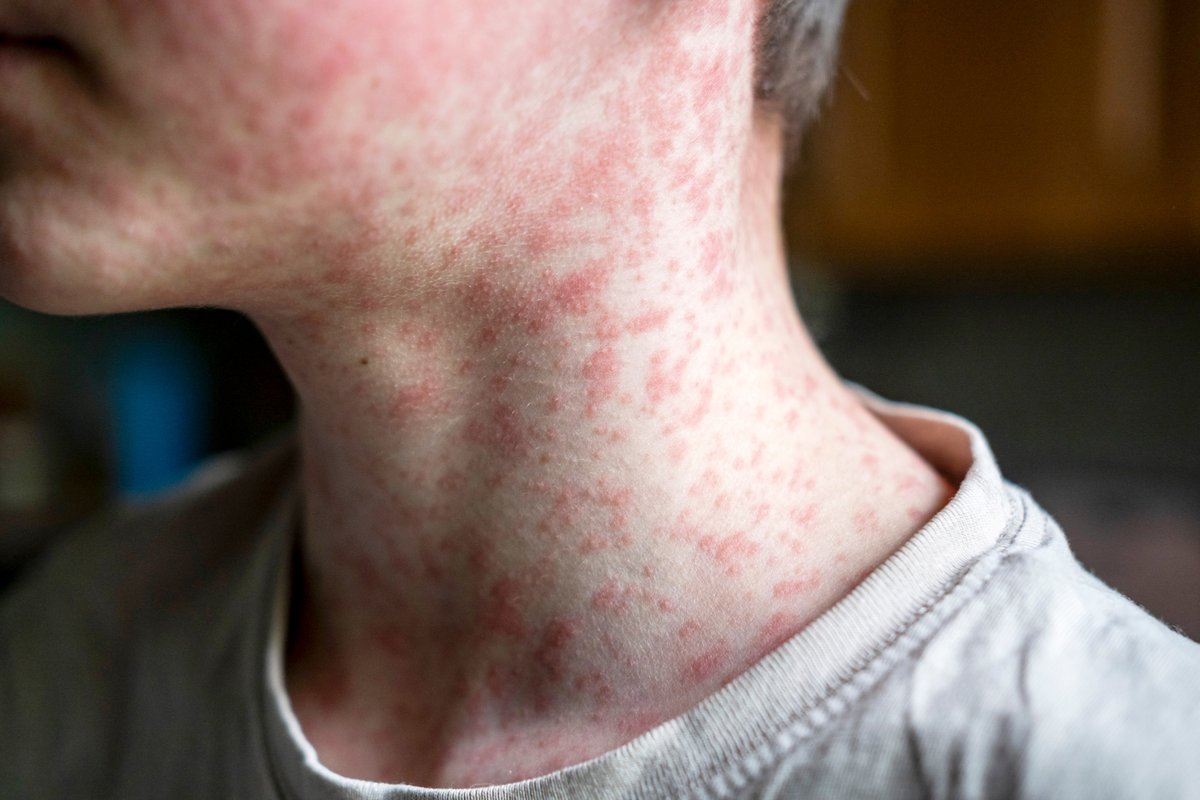
Local and federal health teams must now work harder to contain active clusters of cases. Doctors and clinics will likely increase warnings for parents to watch for early symptoms like high fevers and red rashes. Fast testing will be key to stopping new chains of spread in towns across the country.
Public health leaders are also pushing for better community awareness to rebuild defense against the virus. Regaining the elimination title will require stopping all active chains of transmission. Officials plan to monitor case counts closely over the coming months to protect vulnerable neighborhoods.


Comments
Post a Comment